
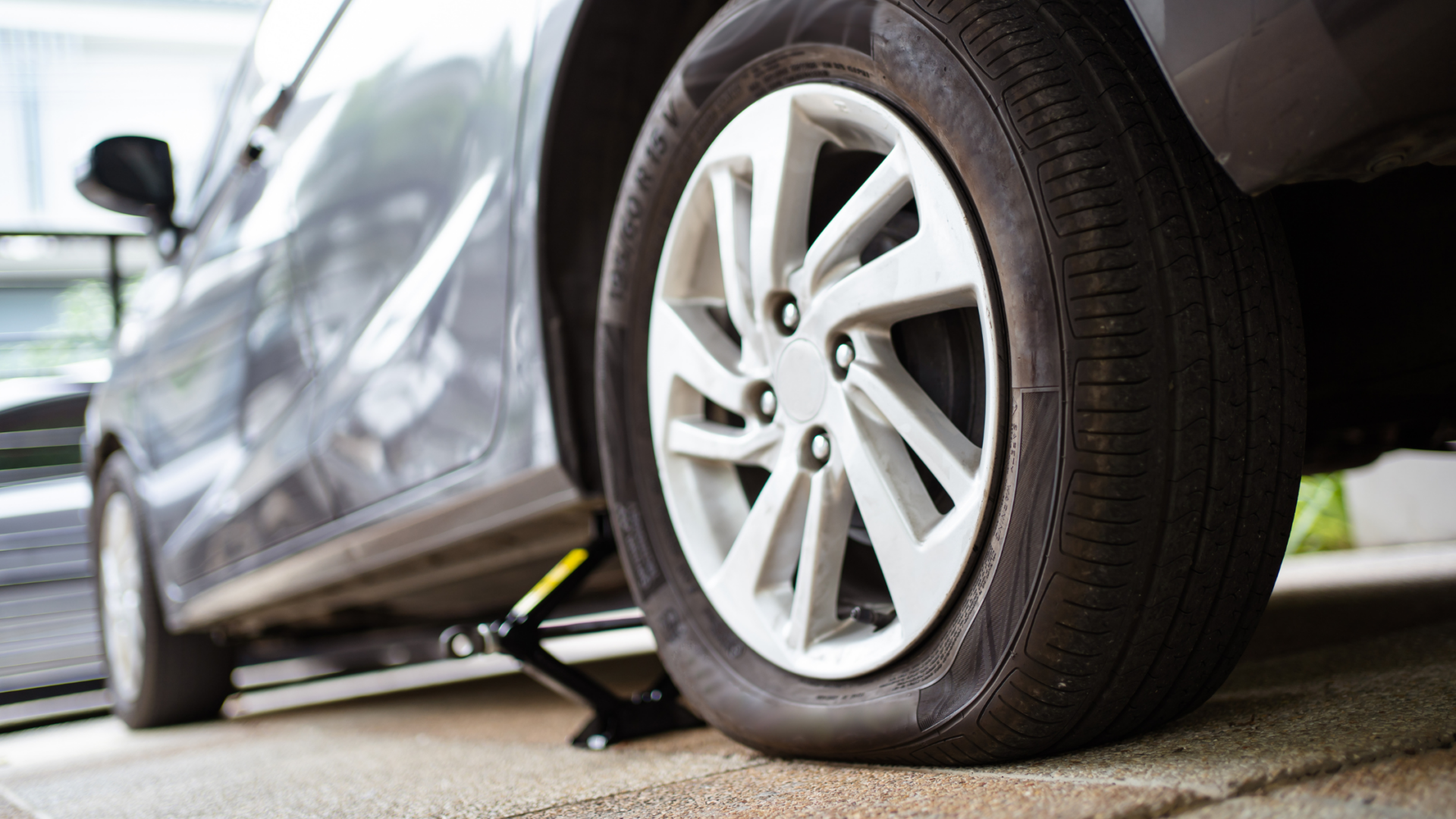
Tyres are one of the most important safety components on your vehicle, directly affecting grip, braking, and overall handling. Not only do they keep you safe on the road, but they are also a key factor in passing your MOT inspection.
In fact, tyre-related issues such as worn tread, bulges, or damage are among the most common reasons vehicles fail their MOT each year – and these numbers are on the rise. Research by Verifleet in 2025 found that ‘a record 2.15 million vehicles failed their MOT due to tyre defects in the past year’.
Identifying potential tyre problems early can save you more than just money. By staying on top of tyre maintenance, you can avoid unexpected MOT failures, reduce the risk of accidents, and enjoy a smoother, safer driving experience. A quick monthly check can prevent costly replacements and the stress of last-minute MOT failures.
Topics Covered
5. Incorrect Tyre Size or Type
Regular Tyre Maintenance Tips to Avoid MOT Failure
1. Worn Tread Depth
One of the most common reasons for MOT failure is insufficient tread depth. In the UK, the legal minimum is 1.6mm across the central three-quarters of the tyre, but experts recommend replacing tyres before they reach this limit to maintain optimal grip and safety.
You can check tread depth using a tyre gauge or a simple “20p test”: insert a 20p coin into the tread groove, and if you can see the outer rim of the coin, it’s time for a replacement. Worn tread not only increases the risk of aquaplaning on wet roads but is also an automatic MOT fail.
Regularly monitoring tread depth is easy and can save you from unexpected MOT failures and costly emergency replacements.
2. Tyre Damage and Cuts
Tyres can develop cuts, splits, or punctures from everyday hazards like potholes, curbs, and debris on the road. Even small cuts in the tread or sidewall can compromise the tyre’s structural integrity, making it unsafe and likely to fail an MOT.
It’s important to know which damage can be safely repaired and which requires replacement. For example, small tread punctures may be fixable by a professional, but sidewall cuts or deep gouges are almost always a MOT fail and need immediate replacement.
Regular inspections can help you spot these issues early, preventing unexpected MOT failures and improving overall road safety.
4. Uneven Wear Patterns
Uneven tyre wear is another common cause of MOT failure. It occurs when tyres wear more on one part of the tread than another, often due to misaligned wheels, unbalanced tyres, or incorrect tyre pressure.
Common signs include:
- Cupping: Scalloped dips around the tread
- Feathering: Tread edges feel sharp or worn in one direction
- Shoulder wear: Outer or inner edges wearing faster than the centre
Uneven wear not only affects MOT compliance but also reduces grip, increases fuel consumption, and can compromise handling. Regular wheel alignment, tyre rotation, and pressure checks can prevent these issues.
5. Incorrect Tyre Size or Type
Using the wrong tyre size or type can lead to MOT failure and compromise vehicle safety. Tyres must match the manufacturer’s specifications for diameter, width, load rating, and speed symbol.
Seasonal or specialist tyres (such as winter tyres or 4×4 variants) must also comply with legal standards to pass an MOT. Inspectors check tyre markings to ensure compliance, so using the wrong size or type is an easy way to fail.
Always refer to your vehicle handbook or consult a trusted provider like Asda Tyres
to ensure you’re using the correct tyres for your car.
6. Tyre Pressure Issues
Incorrect tyre pressure is a common but often overlooked cause of MOT failure. Both under-inflated and over-inflated tyres can lead to uneven wear, reduced grip, and increased risk of blowouts.
Maintaining the correct pressure helps your tyres perform safely, improves fuel efficiency, and extends tyre life. Most vehicles provide recommended pressure levels in the owner’s manual or on a sticker inside the driver’s door.
Regular Tyre Maintenance Tips to Avoid MOT Failure
Keeping your tyres in top condition is the easiest way to prevent MOT issues and stay safe on the road. Key maintenance tips include:
- Check tread depth and pressure monthly: Ensures tyres meet legal standards and perform safely.
- Inspect for cuts, bulges, or punctures: Early detection prevents MOT failure and costly replacements.
- Rotate and align tyres regularly: Promotes even wear and extends tyre life.
- Replace tyres nearing the end of their lifespan: Don’t wait until they fail an MOT. Proactive replacement is safer and more cost-effective.
Conclusion
Tyres play a vital role in both your vehicle’s safety and its ability to pass an MOT. From worn tread and sidewall damage to uneven wear and incorrect tyre types, many common issues can lead to MOT failure if left unchecked.
Regular inspections, proper maintenance, and early tyre replacements help you avoid unexpected failures, improve road safety, and save money in the long run.
Ensure your vehicle is MOT-ready and safe on the road by exploring the full range of quality tyres available at Asda Tyres.
Related Articles
How to Spot Sun Damage on Your Tyres
Tyre Tread Depth Checks: How Often Are They Necessary?