
“What do you mean, I have to go to the petrol station again?” Fuel costs are the bane of many drivers throughout the UK, as prices constantly fluctuate and tend to be trending upward more than downward these days. The cost of fuel is also something that the average individual has no influence over, as it’s often affected by external factors that affect the global oil supply. (See the recent attack in Saudi Arabia as proof of this.) So, what should the average person do when presented with rising fuel costs and little option for change?
Luckily enough, there are steps you can take to reduce the overall fuel consumption of your vehicle and increase its MPG. A lot of little changes can make a large difference, which is why we’ve put together 3 helpful tips that are sure to make your vehicle go the extra mile.
Check Your Tyres
Not many people know this, but fuel consumption can be reduced by 2% if your tyres are at the right pressure. (As confirmed by the RAC.) That might not sound like a lot, but it can result in huge savings if your tyre pressure is at the correct level consistently. It’s best to check your tyre pressure every month or so if you have time, and the correct tyre pressure for your vehicle can usually be found in its trusty handbook. If you’ve lost the handbook, you can always search online for the correct pressure, but make sure it’s from an accredited source.
If your tyres have seen better days, they may be costing you in terms of fuel economy. You should purchase new tyres to combat this. Each tyre now has a fuel efficiency rating, which directly relates to the tyres rolling resistance. Tyres with a lower rolling resistance usually provide better fuel efficiency, and receive a better energy rating as a result. You should also always choose a tyre from an accredited retailer to avoid any potential quality problems. That’s where we come in.
Our team provides a complete service from start to finish. Simply enter your number plate, find the correct tyre size and order your tyres to a fitting centre near you. (You can also order them to your address if you want to fit them yourself!) We stock 1000s of tyres and work with big brands, including Bridgestone. The Turanza and the Potenza models are our current favourites.
Ease Off the Accelerator
Excessive speed is the biggest factor when fuel economy is concerned. Acceleration causes the engine to work harder, which in turn increases the amount of fuel that is consumed. You shouldn’t have to accelerate like you’re in an F1 car on every journey, so keep an eye on your revs to ensure that you’re not using fuel like it’s your favourite type of chocolate. Ideally, you should be using the highest possible gear for your vehicle, while obviously keeping to the speed limit.
Road conditions and gradients don’t often allow you to maintain a consistent speed. In an ideal world, your car would handle every surface evenly, but hills and inclines require different levels of acceleration. As a result, there isn’t an “ideal speed” that your car should travel at. However, you should try to anticipate hazards and drive as smoothly as possible. This should mitigate some of the fuel costs from different road surfaces.
If you want our advice, it’s best to drive with care. The accelerator and brakes should be used with a gentle touch, and ease off the accelerator when you slow down at a traffic light or during congestion, as starting and stopping the engine generally costs more fuel. Take care of your car when you’re behind the wheel and your car will take care of you.
Use Features Sparingly
A smart driver is a safe driver, but being smart doesn’t just involve your actions on the road. Your car may come with lots of handy features and accessories, but chances are, a lot of them impact your fuel economy. Here are a few common features that may be hurting your wallet!
Cruise Control
On a flat surface, such as a motorway, cruise control is the bees knees. You should make use of this feature as it reduces unnecessary acceleration, saving you money in the process. However, cruise control doesn’t react well to changes in road surface or structure. If you encounter a steep hill for example, your cruise control system might be slow to react to the gradient change, resulting in greater fuel consumption. (Which is exactly the opposite of what is required!) Take it easy on that button to save fuel when it’s needed.
Roof Bars
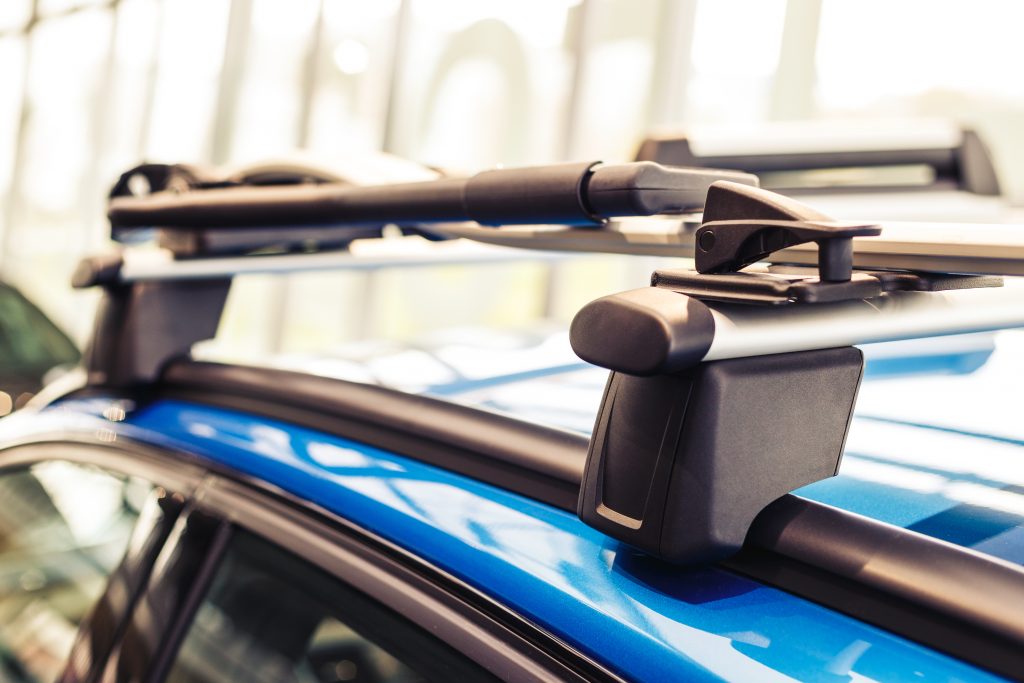
Your roof bars might come in handy on your next bike trip or kayaking session (check you out!), but it should be removed from your vehicle if it’s not in use. They create wind resistance whenever you’re driving, and this increases the faster you drive. As a result of this, your MPG will decrease. According to Lawrence Berkeley National Laboratory researcher Alan Meier, it could be as much as 25% more in fuel!
AC
While it might keep you cool in the summer and toasty warm in the winter, your air conditioning system uses engine power. If you’re really concerned about fuel consumption, you should use it sparingly. It doesn’t make as much of a noticeable difference for those that regularly take longer journeys, however, if you take shorter journeys, you should notice improved performance.